Menu
Menu

HIV Trends in sub-Saharan Africa (2001-2021)
‘We are threatened with extinction… It is a crisis of the first magnitude’. In his 2001 address to the United Nations (UN) General Assembly, the then-President of Botswana, Festus Mogae, left his audience in no doubt about the severe risks of neglecting the HIV epidemic in sub-Saharan Africa. President Mogae’s speech followed a decade of near-uncontrolled spread of HIV across the region, fuelled by pervasive misinformation surrounding the virus - itself a product of woefully underfunded education and prevention campaigns.
President Mogae’s warning was not ignored. The new millennium marked a rapid increase in the funding that the international community was willing to dedicate to tackle HIV/AIDS, through new vessels like The Global Fund to Fight Aids, Tuberculosis and Malaria (established in 2001) and the U.S. President’s Emergency Plan for AIDS Relief (established in 2003). In fact, funding for AIDS in developing countries - from national, international, and private sources - swelled to an estimated US$8 billion in 2005, from just US$2 billion four years previously.
The surge in availability of funding in the early 2000s allowed health systems to implement measures to prevent and treat the virus. Dissemination of public health campaigns instigated fundamental behavioural changes - such as increased condom use - that reduced viral transmission. The expansion of harm reduction education was particularly important for key populations most vulnerable to infection, such as sex workers, men who have sex with men, and injecting drug users , particularly given the significant social and structural barriers to accessing healthcare that they continue to face. The rollout of anti-retroviral therapy (ART) radically improved the health and wellbeing of HIV-positive individuals; when combined with HIV testing campaigns, ART proved invaluable in dampening transmission rates, including between pregnant women and their children.
Development assistance [for HIV] is flatlining.
Kalipso Chalkidou, Director at the Global Fund to Fight AIDS, Tuberculosis and Malaria
Sub-Saharan Africa’s battle against HIV bore impressive results. Incident cases of HIV in the region fell by 28.5% between 2010 and 2019; HIV-related deaths decreased by 38.7% over the same period. These successes underpinned broader global trends in reducing HIV incidence , which were felt across developing and developed nations - from Ukraine to the United Kingdom. This inspired international optimism about the strength of momentum behind the epidemic’s decline, was reified in the UN General Assembly’s 2016 pledge to end the AIDS epidemic as a public health threat by 2030 (as stated in the Political Declaration on Ending AIDS).
As the 2030 deadline approaches, hopes in meeting the Political Declaration’s vital objective have receded. Recent estimates indicate that the number of new HIV infections globally dropped by a mere 3.6% between 2020 and 2021, representing the smallest annual decline observed since 2016. The pace of the rollout of ART has also slackened; the number of people receiving HIV treatment grew more slowly over the course of 2021 than it had in over ten years. As progress appears to falter, President Mogae’s warning is just as relevant as it was two decades ago. Until the HIV/AIDS epidemic is brought to a close, it continues to pose a severe threat to countries in sub-Saharan Africa, and the rest of the world.
The impact of concurrent crises’ on sub-Saharan Africa’s HIV response
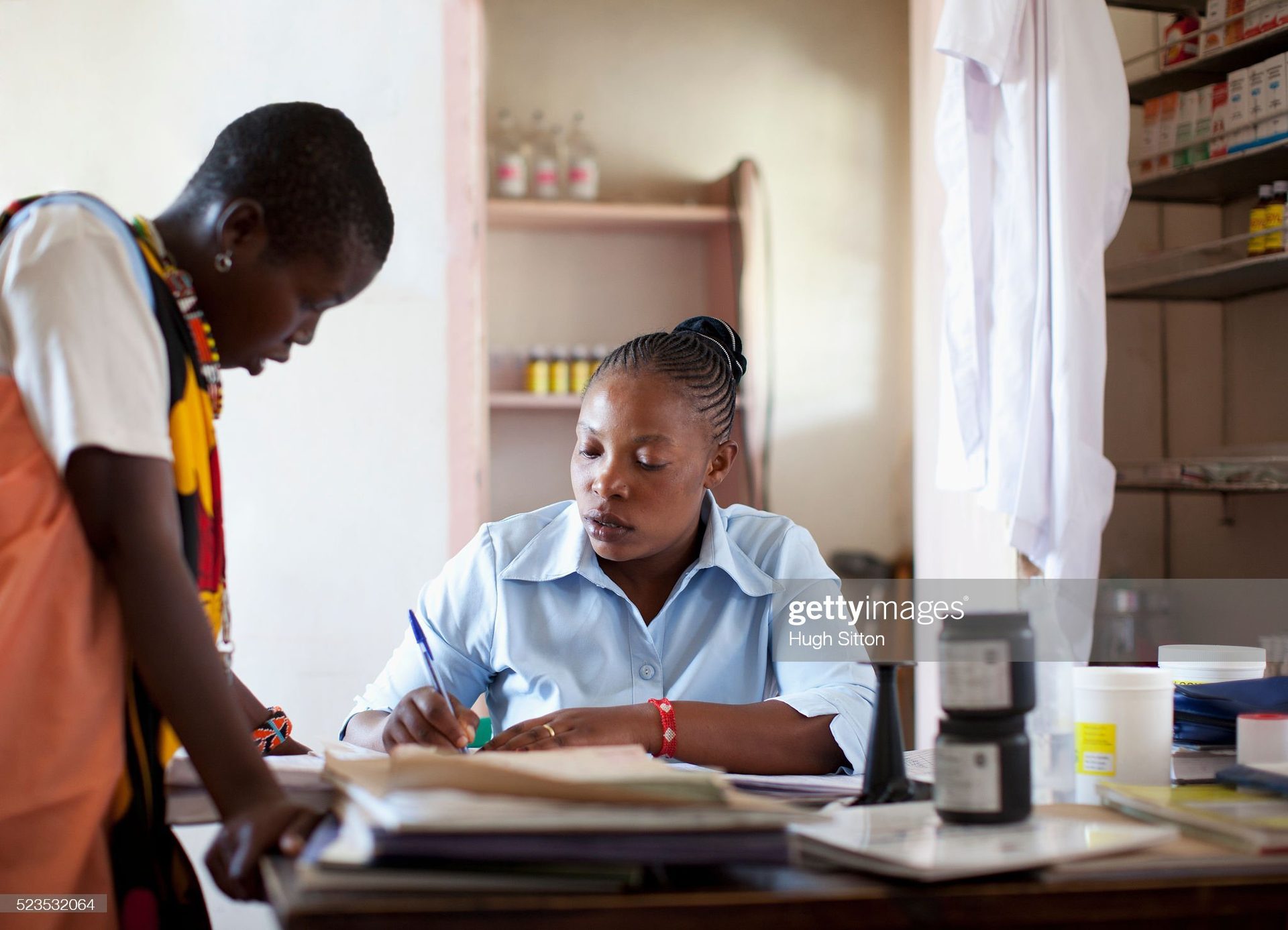
Numerous global shocks have coalesced to stall Sub-Saharan Africa’s progress in tackling HIV/AIDS; not least, the covid-19 pandemic. Government lockdowns, implemented to limit the spread of covid-19, severely disrupted the manufacture and transport of goods. This resulted in the breakdown of global supply chains, which were designed to maximise efficiency rather than resilience. As a result, the supply of essential commodities for HIV prevention and treatment - such as condoms, lubricants, HIV tests and ART drugs - became severely restricted. For instance, a weeklong shutdown of the factories of Karex Bhd - the world’s largest manufacturer of condoms - during a Malaysian lockdown in 2020 led to a shortfall of 100 million condoms, to be supplied to brands, state health systems, and international aid programmes.
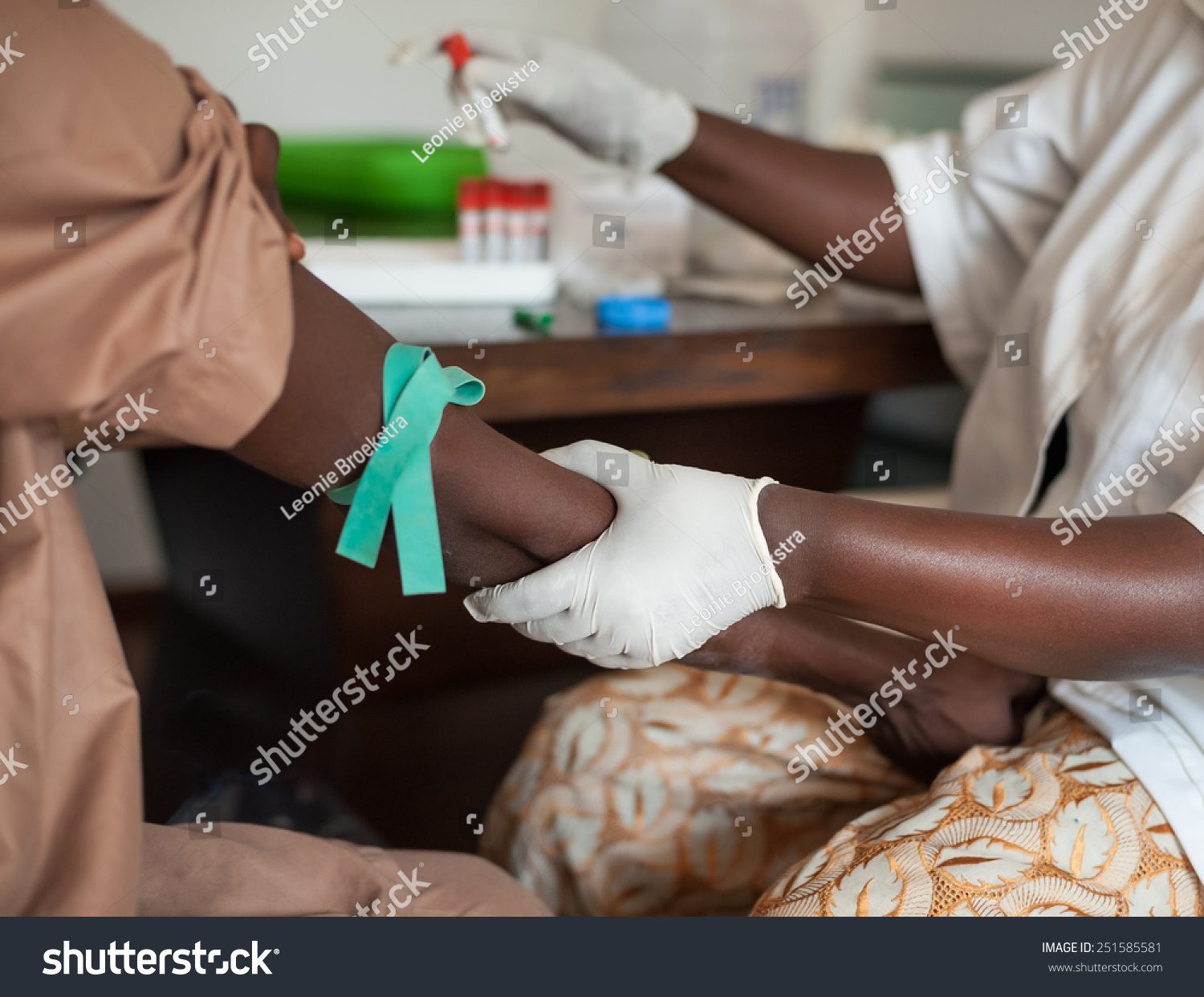
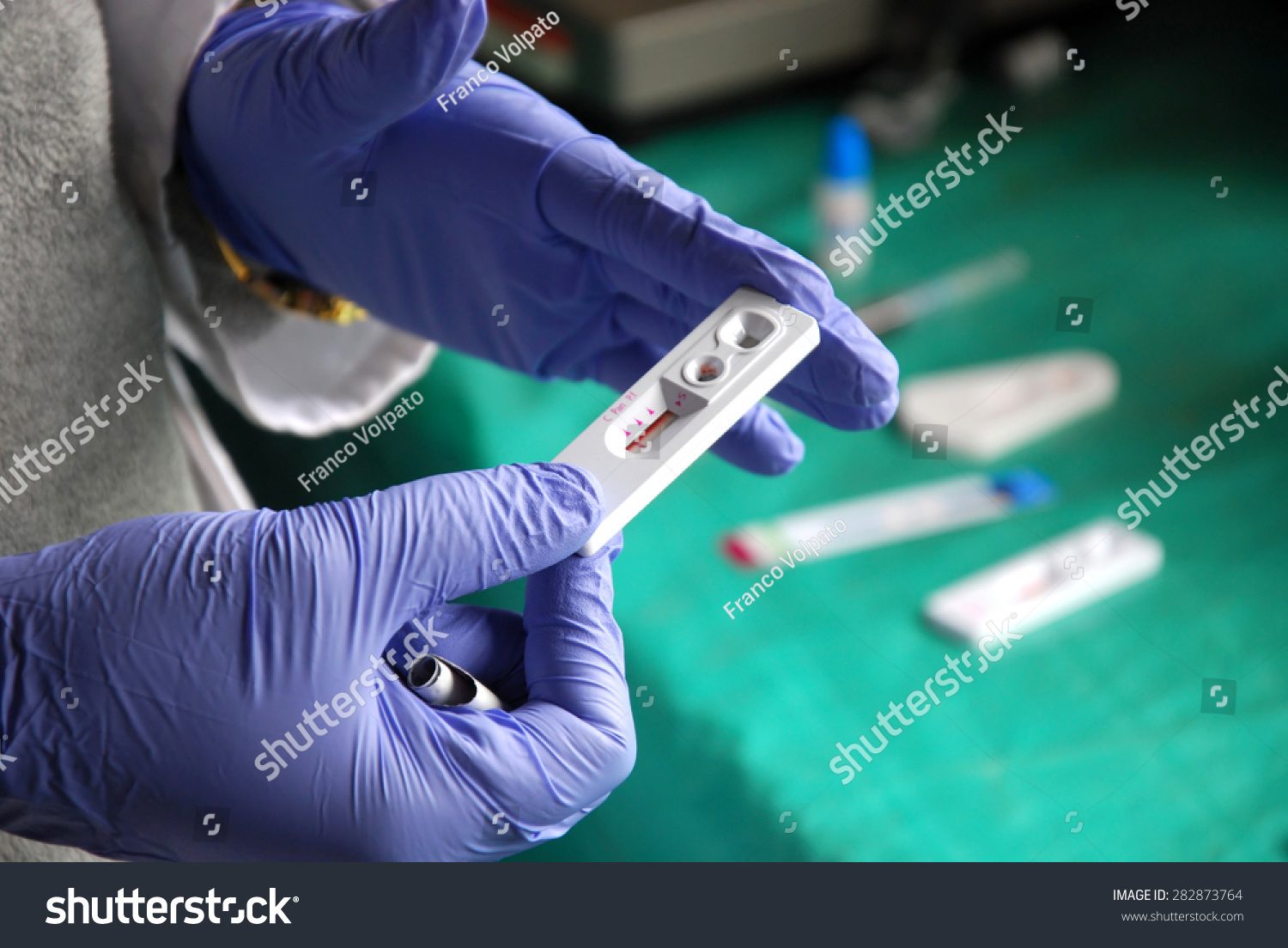
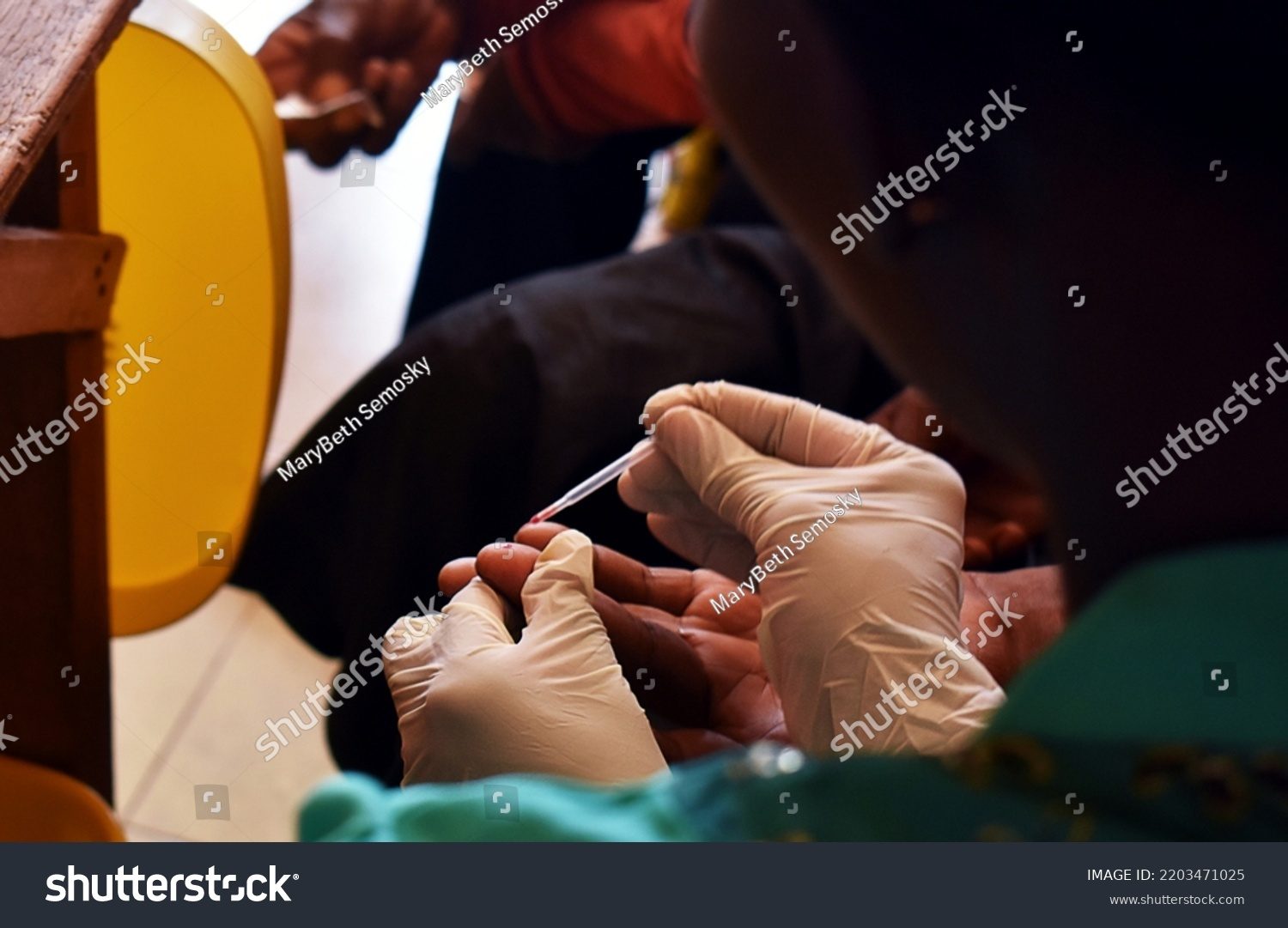
Covid-19’s impacts were not limited to supply chain disruption. Restrictions on the movement of people resulted in significant declines in uptake of HIV testing and prevention services. In 2020, the number of people accessing HIV prevention programmes dropped by 11%; HIV testing plummeted by 22%. In Uganda, for instance, estimates suggest a reduction of roughly 30% in the use of HIV testing services between April and June 2020 . Similarly, the onset of South Africa’s covid-19 lockdown was associated with a 50% reduction in HIV testing and ART initiation in the country. This dramatic decrease in testing not only prevented people from accessing lifesaving treatment for HIV; it also had implications for the spread of the virus between people unaware of their status.
International efforts to eliminate poverty have regressed as a result of covid-19. The Global Fund estimates that 115 million people may have been forced into extreme poverty as a result of the pandemic. World Bank estimates suggest that escalating ill health, unemployment, and macroeconomic crisis have all contributed to an estimated loss of three to four years of progress in ending extreme poverty. While the number of poor people has increased globally, this trend has been particularly pronounced in sub-Saharan Africa. Poverty facilitates elevated HIV transmission through numerous channels; for example, by increasing the number of people who are unable to afford condoms. Crucially - given the pandemic’s disproportionate impacts on women - elevated poverty rates may increase participation in sex work, with significant repercussions on exposure to HIV.
Beyond the pandemic, a number of humanitarian crises have set back progress in tackling HIV/AIDS in sub-Saharan Africa. For instance, Ethiopia’s civil war has interrupted access to prevention and treatment in areas affected by the conflict. Concerns about HIV spread have been compounded by reports that rape and sexual violence have been systematically used as a tool of war by Ethiopian and Eritrean armed forces - previous research has indicated that mass rape can increase annual incidence of HIV in conflict-affected countries by approximately 7%.
Furthermore, the climate crisis may have also begun to exacerbate the spread of HIV. This is particularly pertinent in sub-Saharan Africa, which is especially vulnerable to the emerging impacts of climate change - for example, through the increasing frequency of severe droughts. Austin et al. (2020) report that drought heightens HIV transmission risk among vulnerable women in poor countries. This relationship is understood to be a product of elevated food insecurity, which is associated with higher rates of transactional sex and HIV acquisition.
Sourcing adequate funding will be vital to reinvigorating progress against HIV/AIDS in sub-Saharan Africa. Unfortunately, the current funding environment is bleak. Many major international donors have reduced assistance; in fact, international resources targeted towards tackling HIV were 6% lower in 2021 than they were in 2010. This is partly explained by a decline in bilateral donor funding; official development assistance for HIV from bilateral donors (other than the USA) fell by almost 60% over the last decade. This is also partly attributable to the redirection of funds to tackle covid-19.
Crucially, the drop in international donor funding coincides with a moment when sub-Saharan African countries are suffering from much tighter fiscal constraints themselves. Low and middle-income country (LMIC) government finances have suffered following the covid-19 pandemic, which stifled economic activity and growth. Economies have further deteriorated as a result of Russia’s invasion of Ukraine (which elicited a surge in the prices of essential commodities, ranging from gas to wheat) and growing inflationary pressures, which have suppressed global consumption. This has led to the IMF downgrading its growth projections for numerous sub-Saharan African countries. In fact, the World Bank predicted that 41 countries - including Liberia, Mozambique and Sudan - were likely to see government expenditures (in real terms) remain below pre-pandemic levels until 2024 .
The current funding environment for HIV in sub-Saharan Africa
There will be less room to grow government spending and within that health spending, and within that health spending on HIV.
Kalipso Chalkidou, Director at the Global Fund to Fight AIDS, Tuberculosis and Malaria
Budgets in sub-Saharan Africa are also threatened by the significant debt that governments took on to tackle covid-19 - which compounded a pre-pandemic trend of high government borrowing. In order to finance their pandemic responses, sub-Saharan African governments borrowed 4.5% more than they were predicted to have done, had the pandemic not occurred. Crucially, high inflation rates may exacerbate the magnitude of the interest payments being paid on this debt, imposing an additional burden on government budgets. The World Bank predicts that interest payments on debt are projected to constitute roughly 10% of government expenditure in Mozambique in 2027, and 18.3% in Zambia. Servicing this debt risks compromising long-term growth and prosperity across the region, as a result of cuts to healthcare, infrastructure and education.
A tragic corollary of constrained budgets and burdensome debt repayments will be restricted expenditure on health - including investments towards HIV/AIDS. In fact, domestic funding for HIV in LMICs has already fallen over the last two years, with a decline of 2% in 2021. Reversing this shortfall will be critical to meeting the Political Declaration’s aim of ending the AIDS epidemic by 2030. While it will necessitate ambitious investment from national and international governments, as well as the donor community, it is clear that the rewards - to public health, society, and the economy - will vastly outweigh the short-term financial costs.
Linkages between investing in the HIV epidemic and building resilient health systems
The pandemic has shed light on the importance and need for investments in pandemic preparedness and strengthening of health systems. Political leadership globally is more sensitised than ever, along with healthcare providers and the public at large. But where does the HIV epidemic fit in? Let's circle back and retrospect the role of the HIV response in building resilient health systems. The global HIV response can serve two purposes: (i) existing infrastructure and principles support pandemic preparedness and response; and (ii) lessons in health provision from the HIV response can inform efficient pandemic preparedness and response.
Significant investments in the global HIV response have supported the development of a robust infrastructure for healthcare delivery, procurement and research. It is imperative to note how the HIV response has supported the pandemic response, particularly in low- and middle-income countries (LMICS). A recent report by the Global Fund showed that most low and middle income countries relied on existing laboratories, disease surveillance systems, public networks, healthcare workers and supply chains aimed at tackling HIV, TB and malaria to respond to the COVID-19 crisis. The United States President’s Emergency Plan for AIDS Relief (PEPFAR) also has noted the strategic utility of its labs, surveillance systems, information systems and supply chains in helping countries respond to the COVID-19 pandemic. These findings exemplify how investments towards advancing global HIV response can support strengthening of health systems and enhancing pandemic preparedness to future shocks.
The global HIV response also serves as a strong example of how effective community engagement and empowerment can bring about advances in research and result in more effective programme implementation globally. Community engagement within the context of the global HIV response has been critical in ensuring meaningful participation among key populations who are particularly vulnerable to HIV including men who have sex with men, individuals who use drugs and sex workers . In this sense, existing models for ensuring equitable access to care and direct community engagement under the HIV response can serve as a guiding tool for current pandemic preparedness. In speaking to South Africa’s experience, Keith Jefferis, Senior Policy Advisor at the Ministry of Finance and Economic Development noted ‘The prior experience of dealing with HIV/AIDS was important not just in terms of health infrastructure, but also the relationship between the population and the health system’.
In a nutshell, investments in HIV contribute to system strengthening because they immensely expand the health capacities of a country where they occur.
Markus Haacker, Economist and Visiting Scientist, Harvard T.H. Chan School of Public Health

In a nutshell, investments in HIV contribute to system strengthening because they immensely expand the health capacities of a country where they occur.
Markus Haacker, Economist and Visiting Scientist, Harvard T.H. Chan School of Public Health